
An Interesting Belt
Adding personality while keeping your trousers up

When putting together an outfit, your stone chinos, oxford shirt and brown leather shoes can feel a little uninspired. Like you’re blending in with every other Archie at Pear Tree Cafe, Monty at Polo in the Park, Chad at the Surf Lodge or Chase at Figawi.
The temptation is to fix this with something loud. A floral print shirt, trousers embroidered with “Major Woof”, socks the colour of a highlighter pen. But if timeless and classic is your thing, none of that feels right either.
There’s another option, and it doesn’t require abandoning the dress code or your own instincts to get there. Here are five belts that add a bit of personality while keeping your trousers at the right height.
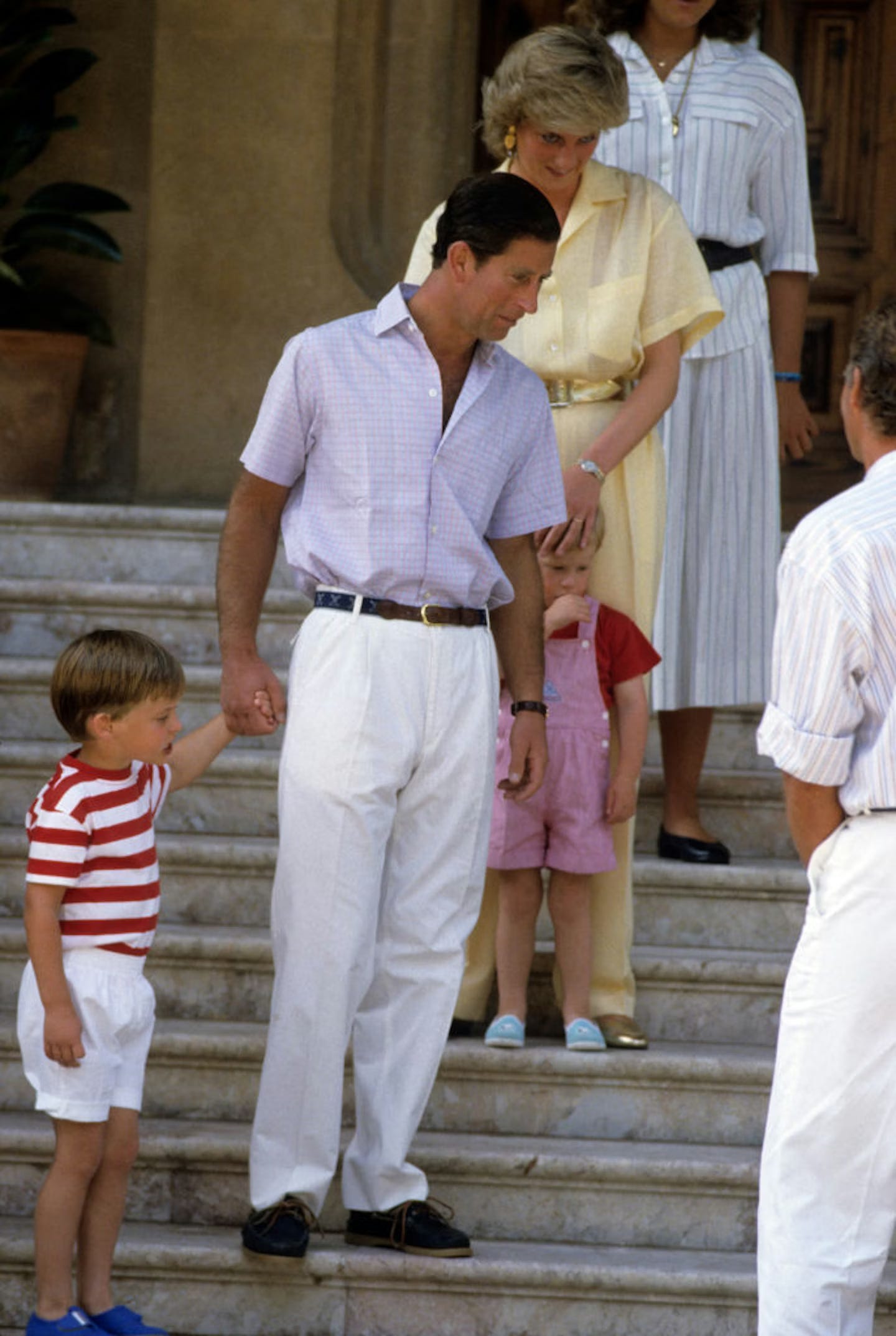
The Polo Belt


Starting as a practical solution to a sport played at speed, on horseback, in a country that took both things seriously.
Polo arrived in Argentina in the 1870s, brought by British engineers working on the railway. The gauchos (the horsemen of the pampas) took to it immediately. They were, after all, already skilled riders managing cattle across the La Pampa region.
To distinguish one team from another, the gauchos began hand-stitching coloured thread into leather in geometric patterns. The pampa diamond, a motif borrowed from ancient Andean textile traditions. Each belt told you which team a player was on. Over time, they began to tell you rather more than that.
The Kilim Belt


Kilim is a flat-woven textile with roots across Central Asia, Anatolia, and the Caucasus. Kilim rugs have been woven for centuries as functional household objects. Each region (Anatolia, Afghanistan, the Balkans, the Caucasus developed its own visual vocabulary of geometric motifs.
Aicus is a small Austrian label founded by siblings Paula and Ferdinand. Starting out with loafers, Aicus now makes some of my favourite belts. The kilim they use is upcycled, sourced from existing vintage rugs, which means no two belts share the same pattern.
The Braided Leather Belt


Braided leather has no single point of origin. It is one of those forms that appears independently wherever people work with leather.
What gave the braided belt its particular cultural weight in menswear is the equestrian connection. In saddlery, braided leather has been used for centuries. Reins were braided for grip. Browbands were braided for decoration.
When that vocabulary migrated into casual dress (through country wear and polo clubs) it brought its associations with it.
The Needlepoint Belt


Needlepoint is a form of embroidery that has been practised in Europe since at least the 16th century, initially as a domestic art associated with gentlewomen of leisure.
Its migration into American prep culture happened via the girlfriend (how times have changed). The custom of a prep-school or college girlfriend stitching a needlepoint belt for her boyfriend became, by the mid-20th century, a well-established ritual in certain corners of New England and the American South. The belts lasted longer than some of the relationships.
The motifs were specific. Sailboats, Labradors, duck heads, golf clubs, the seal of a particular college. A wearable autobiography. Who you knew, where you went, what you cared about, coded into stitches.
The Kenyan Beaded Belt


Maasai beadwork, like kilim is a visual language. Red signals bravery and blood. Blue carries energy and sustenance, linked to the sky and water. Green represents health and the land. White speaks of purity. Each combination, each pattern, communicates something specific about the person wearing it. Their age group, their social standing, whether they are a warrior or an elder, whether they have passed through initiation, whether they are unmarried or married.
It arrived in Western wardrobes through the global craft market (imperfectly, sometimes exploitatively) but the better makers maintain direct relationships with Maasai communities and pay fairly. Maasai women have historically been the keepers of beadwork knowledge, passing it between generations as a craft and a responsibility. The beadwork made for a husband, a son, or a warrior carries meaning the maker has encoded deliberately.
Every one of these belts has a reason to exist beyond holding your trousers up, because style at its best is personal. Not in the sense of monograms and embroidery, but in the sense of knowing why you're wearing something. Any one of these belts gives you that. A reason. Wear a belt that means something to you, and you'll have a better answer than most when someone asks where it's from.