
The Polo Coat
One of those rare garments that feels inevitable

G. Bruce Boyer once observed that most Western male dress comes from either warfare or sport. The polo coat comes from the latter.


In the late nineteenth century, British players brought polo back from India to England and quickly realised that standing around between chukkers in the cold required something practical. What emerged were loose, robe-like “wait coats”. Generous in cut, easy to throw on and off, designed for warmth.
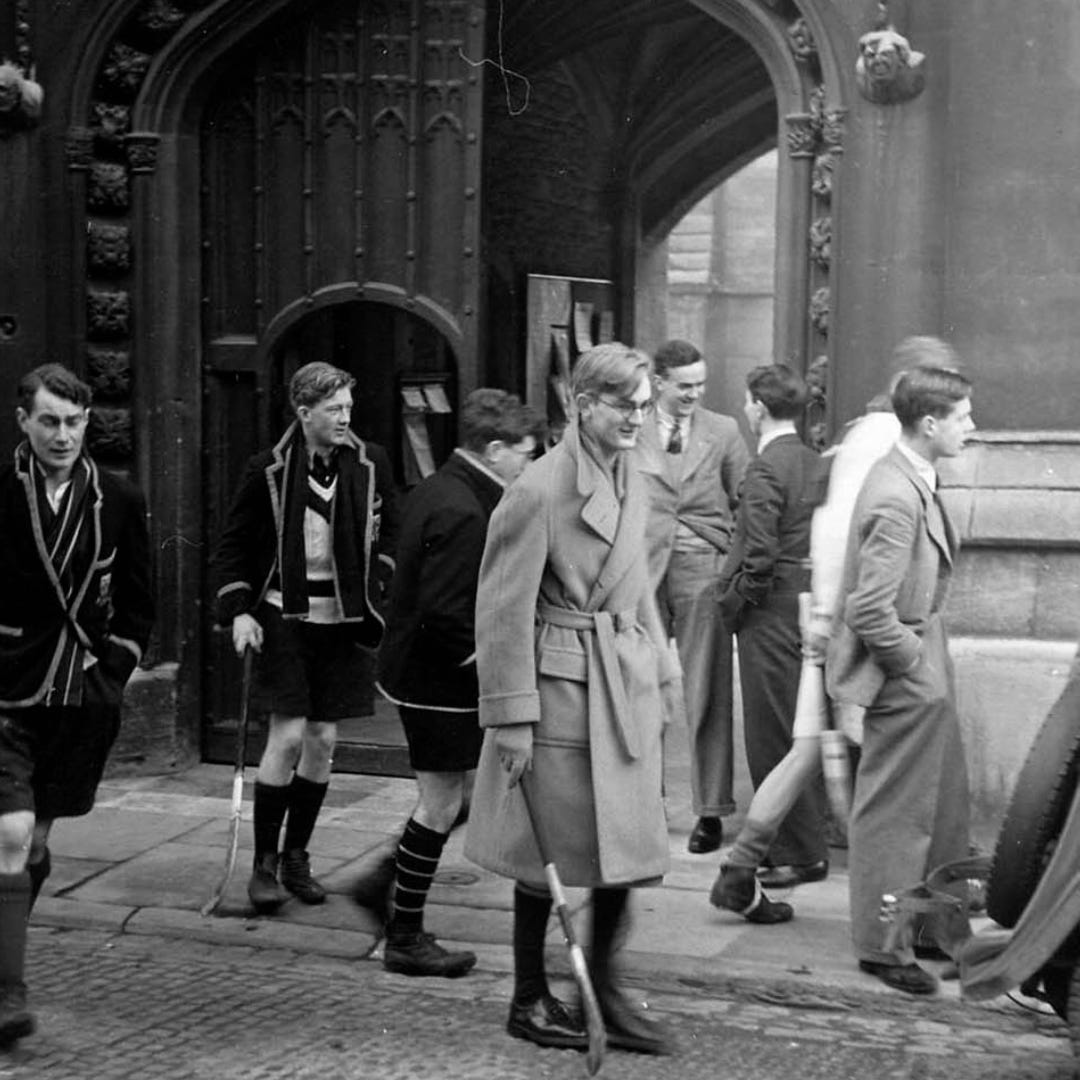
When polo gained popularity in the United States in the early twentieth century, the coat came with it. By the 1920s it had been adopted wholesale by Ivy League undergraduates and became a fixture from Princeton to Yale. Usually double-breasted and full-length, cut broadly through the body, with set-in sleeves, turn-back cuffs, patch pockets and a half-belt at the back.
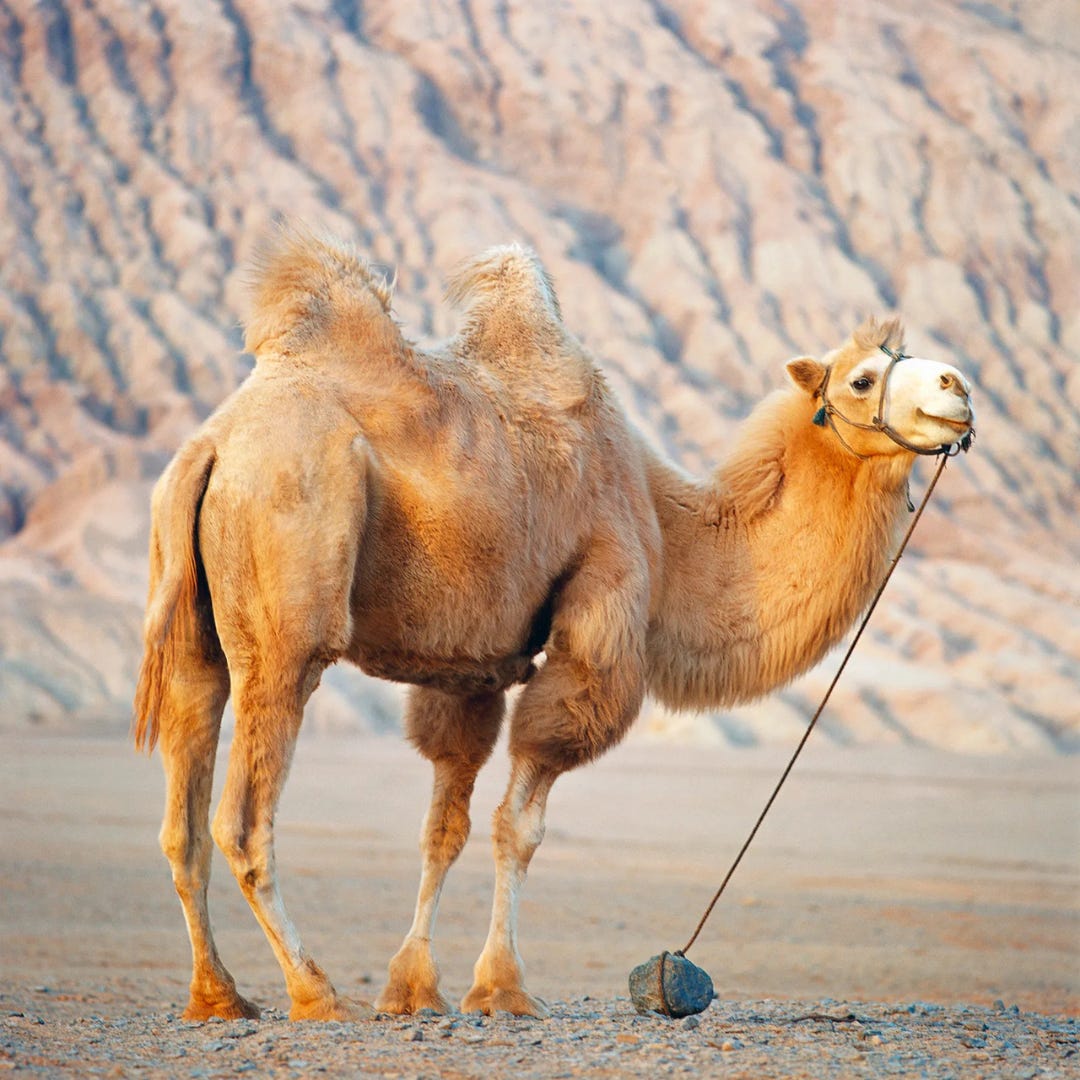
Camel, importantly, is not a colour. It’s a fibre. Traditional polo coats were made from the fine undercoat of the Bactrian camel, prized for being exceptionally warm, light, and soft.


In the U.S., retailers like Brooks Brothers helped cement the polo coat as a permanent wardrobe staple rather than a seasonal novelty. Later, Ralph Lauren popularised a romanticised version often linked to the Duke of Windsor.
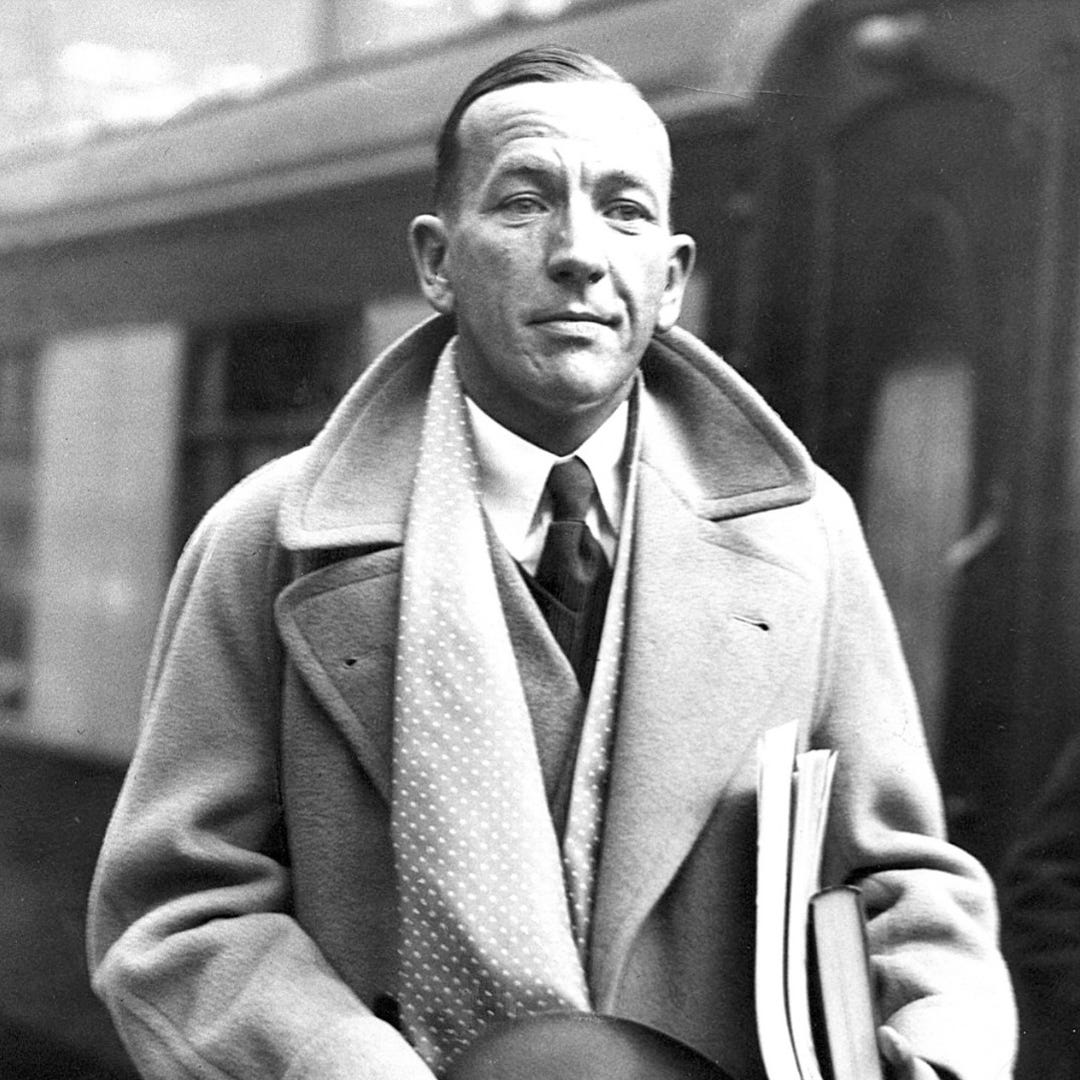
By the mid-twentieth century, raincoats, parkas and synthetics offered easier answers to bad weather. At the same time, quality eroded. What replaced the polo coat wasn’t evolution but imitation. Flimsy blends, wrong proportions, belts doing nothing, and camel-coloured fabrics with no camel in them at all.
Today, a proper polo coat is expensive and relatively rare. Here are a few Polo Coats still worth buying:
